
Palette of Perspectives · Culture
Some evenings remind you that design is never only about rooms. Last night at the Queen Elizabeth Theatre, Vancouver Opera’s new Tosca did exactly that: three acts of Rome built from light, angles and colour, and a lesson in how a space can make you feel something before a single note is sung.
The production opened Vancouver Opera’s 2026–27 season on Saturday, October 24. Thursday’s performance was the second of three, and the final one is this Sunday, November 1, at 2 p.m. It is a new co-production with Pacific Opera Victoria, whose artistic director, Brenna Corner, directs.
The story, in one breath
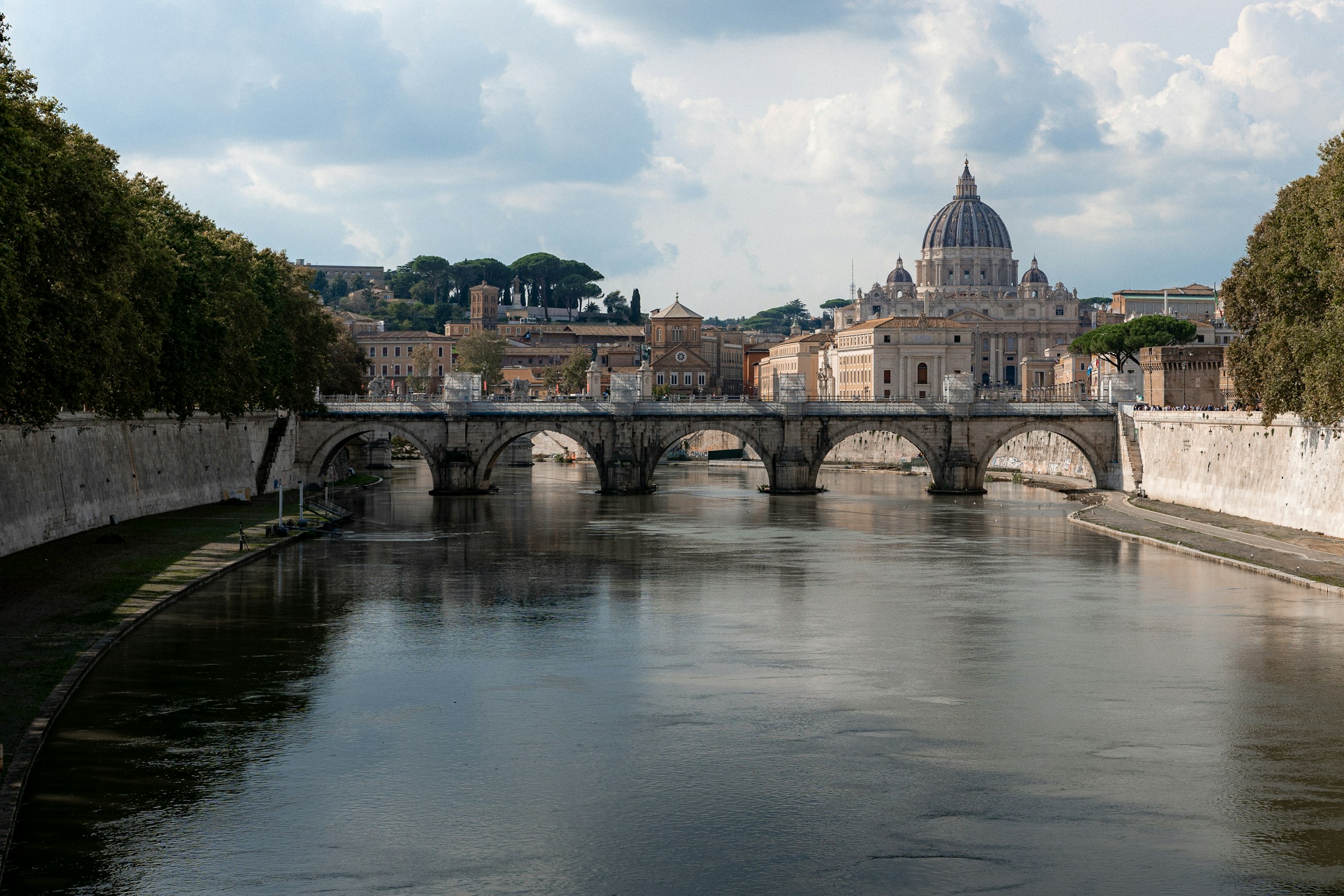
Rome, June 1800. Floria Tosca is a celebrated singer, and her lover Mario Cavaradossi is a painter who hides an escaped political prisoner. Baron Scarpia, the chief of police, wants the prisoner and wants Tosca, and he will use one to get the other. Puccini’s score, first heard at Rome’s Teatro Costanzi on January 14, 1900, moves through three real Roman landmarks: the church of Sant’Andrea della Valle, Scarpia’s rooms in the Palazzo Farnese, and the battlements of Castel Sant’Angelo at dawn.
Corner keeps the opera in its own time rather than updating it. She has described the production as a political thriller about surveillance, abuse of power and the role art plays in resisting it. She treats Tosca not as a fragile diva but as a woman strong enough to stand toe to toe with Scarpia. Projections before the show and at intermission sketch in the history of a papal police state bracing for Napoleon.
One set, three Romes
For anyone who thinks about space, the set is the quiet star. Designer Scott Reid builds all three locations from a single unit set: church, palace and fortress share one architecture and are transformed by what is added, taken away and lit. The walls are deliberately angled, never quite square, so even the church feels slightly off-balance. That unease is the whole story.
Reviewers singled out a diaphanous stained-glass screen in the church, period silhouettes projected over the ensemble, and a final act in which a Roman skyline emerges as the sun rises behind Cavaradossi’s last aria. The sets were built in Victoria by Pacific Opera Victoria’s crews, which is still rare for Canadian opera.
Ivory, gold and a line of red
Michael Walton’s lighting does the work that colour usually does in a room. The Act I Te Deum, with full chorus and children’s chorus, is bathed in a warm, devotional glow. Scarpia’s study in Act II is a study in restraint: ivory, gold and candlelight, cut with accents of blood red. It is luxurious and airless at once. In the torture scene, Cavaradossi’s shadow stretches up the wall behind Tosca.
Kevin Knight’s costumes, on loan from the Canadian Opera Company, trace Tosca’s arc in colour. She first appears in a soft, Madonna-like blue; later she is in scarlet and jewels, dressed for a world that has stopped being safe.
The voices
Joyce El-Khoury’s Tosca has drawn the strongest praise, especially her Act II “Vissi d’arte,” which moves from a near-whisper to full-throated anguish. David Pomeroy returns to Cavaradossi, a role he has sung before, and brings a raw honesty to “E lucevan le stelle.” Gregory Dahl’s Scarpia is all swagger and quiet menace, never pantomime. Under music director Jacques Lacombe, the Vancouver Opera Orchestra gives the singers room to breathe instead of rushing them.
Neil Craighead (Angelotti), Peter Monaghan (the Sacristan), Callum Alden (Spoletta) and Mihnea Nitu (Sciarrone) complete the cast, with Tina Chang preparing the adult and children’s choruses.
What a designer takes home
- One strong envelope, many moods. A unit set proves that a room doesn’t need to change its bones to change its feeling. Light, textiles and a few moved pieces can do it.
- Angles create tension; symmetry creates calm. Use a slightly off-axis chair or a tilted mirror where you want energy, and keep it square where you want rest.
- Warm neutrals need a single accent. Ivory and gold become theatre the moment one deep red enters, whether it’s a lampshade lining, a velvet cushion or the wine in the glass.
- Layer your light. Candlelight, a low lamp and one source from above will always flatter a room more than a single bright ceiling light.
An after-opera supper
Borrow Scarpia’s palette, without the villainy, for a late supper after the final curtain: candlelight, warm stone and glass that catches the light.


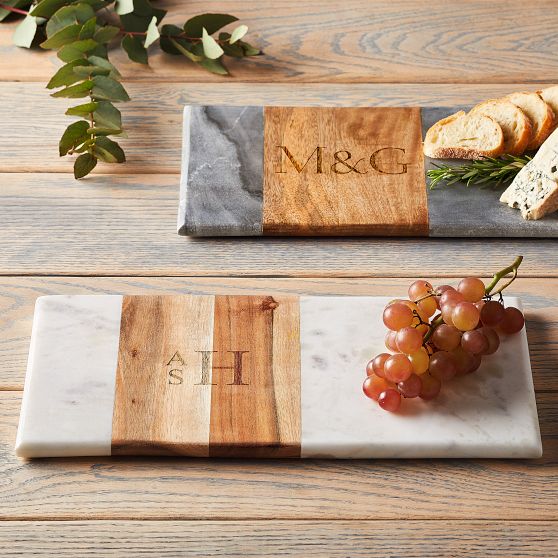


Chosen by hand. Some links are affiliate links, so we may earn a small commission at no cost to you.
Tosca: final performance Sunday, November 1, at 2 p.m., Queen Elizabeth Theatre, Vancouver. Sung in Italian with English surtitles; about 2 hours 20 minutes, including one intermission. Details at vancouveropera.ca.
Further reading: reviews in the Vancouver Sun, Stir and Opera Canada; Brenna Corner on her Tosca in Stir; the full programme and creative team. Cover photo: Urtak Hoti / Unsplash.